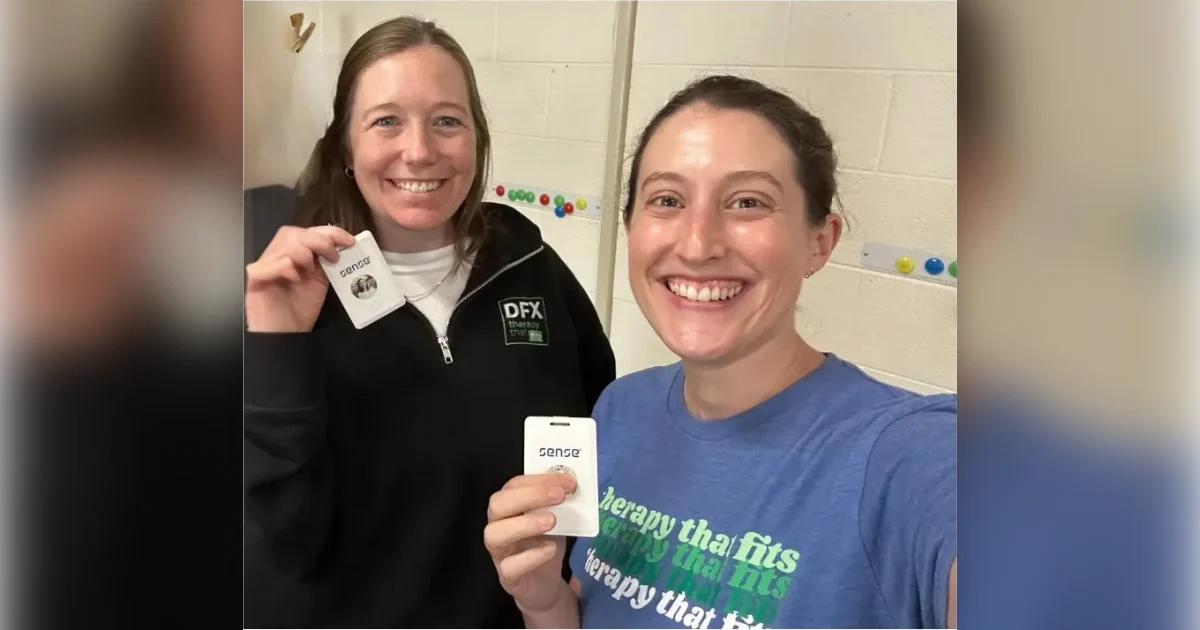
Operating a paediatric therapy facility means adhering to safety protocols, yet traditional security systems can cause distress to children with developmental differences. Developmental FX (DFX), a non-profit paediatric therapy clinic in Denver, Colorado, faced exactly this problem. Offering occupational therapy, speech-language therapy and psychology services, DFX’s 35 staff frequently work in one-on-one sessions across a two-building campus.
DFX needed to protect lone workers without alarming the children
That intimate model of care is DFX’s greatest strength. It is also, from a safety standpoint, its hardest challenge: staff spend large parts of the day working in session with a single child, and it is difficult to know where every therapist is at any given moment.
CEO Beth Yohe explains the tension DFX had to resolve:
“At the heart of DFX is a commitment to creating a space of engaged belonging for children with developmental differences. But to create that safe space for our children, our therapists must feel completely supported, too.”
DFX needed robust lone-worker protection, a way to instantly locate staff in one-on-one sessions, and facility-wide security against unauthorised visitors, all without disrupting the calm, therapeutic atmosphere paediatric care depends on. Conventional public address systems and loud alarms frequently startle sensitive children, so any new safety measure had to be softer and more integrated. And as a non-profit reliant on foundations, grants and individual donations, DFX also needed a solution that would not demand a dedicated IT resource or a heavy new administrative layer.
DFX needed one platform for HR, location tracking and lone worker safety
DFX came to Sense with a clear set of priorities: a Real-Time Location System (RTLS) to see where staff were across two buildings, and a dedicated HR system to manage staff documents, holidays and daily administration. An inclusive safety application ticked off a third requirement.
“We didn’t want three different systems and three different logins,” says Yohe. “We wanted one thing our team could rely on, for HR, for safety, and for knowing where everyone is.”
- A unified HR, RTLS and safety platform, in place of two or three separate systems
- Dedicated HR functionality to manage staff documents, holiday allowances and routine administration
- Cross-campus visibility to locate any staff member across both buildings in real time
- Lone worker oversight, including automated alerts if a clinician missed a safety check-in
- A discreet warning system for staff to quietly flag an unauthorised visitor or perimeter breach
- Rapid staff assistance, so a request for help is met with a fast, informed response rather than a scramble to work out who is where
The solution: discreet tags, smart gateways and one live dashboard
Sense Tag: a discreet SOS button on every lanyard
Every member of staff carries a Sense Tag: a lightweight, credit-card-sized beacon worn on a lanyard, small enough to travel home and back each day. A triple-click triggers an SOS event instantly and discreetly, with no phone required. Because the tag handles location tracking, DFX never had to ask staff to install a tracking app, so personal phones stay personal.
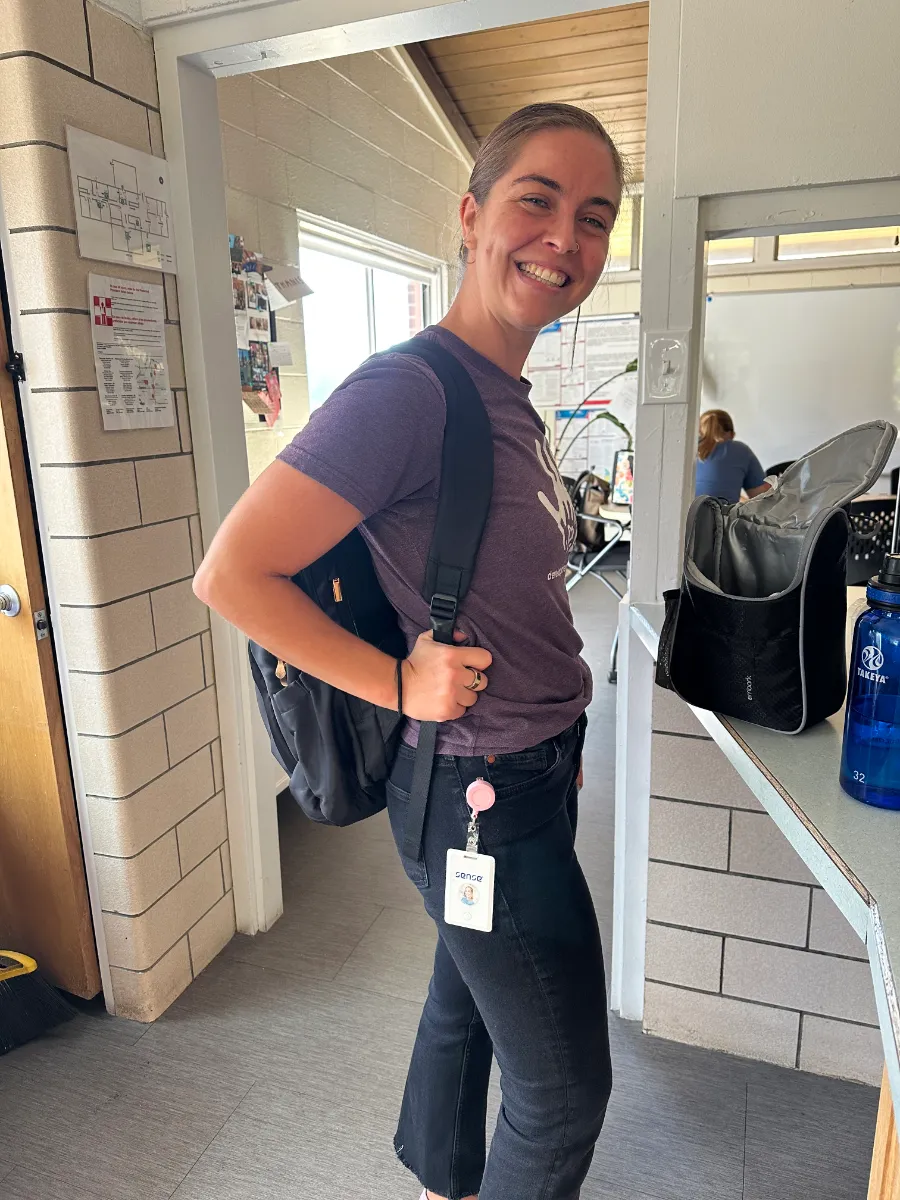
“The tag means our therapists don’t have to think about safety,” Yohe says. “It’s just there, on their lanyard, doing its job quietly, so their attention stays with the child in front of them.”
Sense Gateways: no complex installation needed
Sense Gateways installed across both buildings listen for each tag’s signal and show, in real time, which zone a staff member is in. The gateways run on LTE-M, so they do not depend on site Wi-Fi, and they were simple enough for DFX’s own team to install: plug in, stick to the wall, done. If a room’s use changes, the gateway moves with it, with no contractor required.
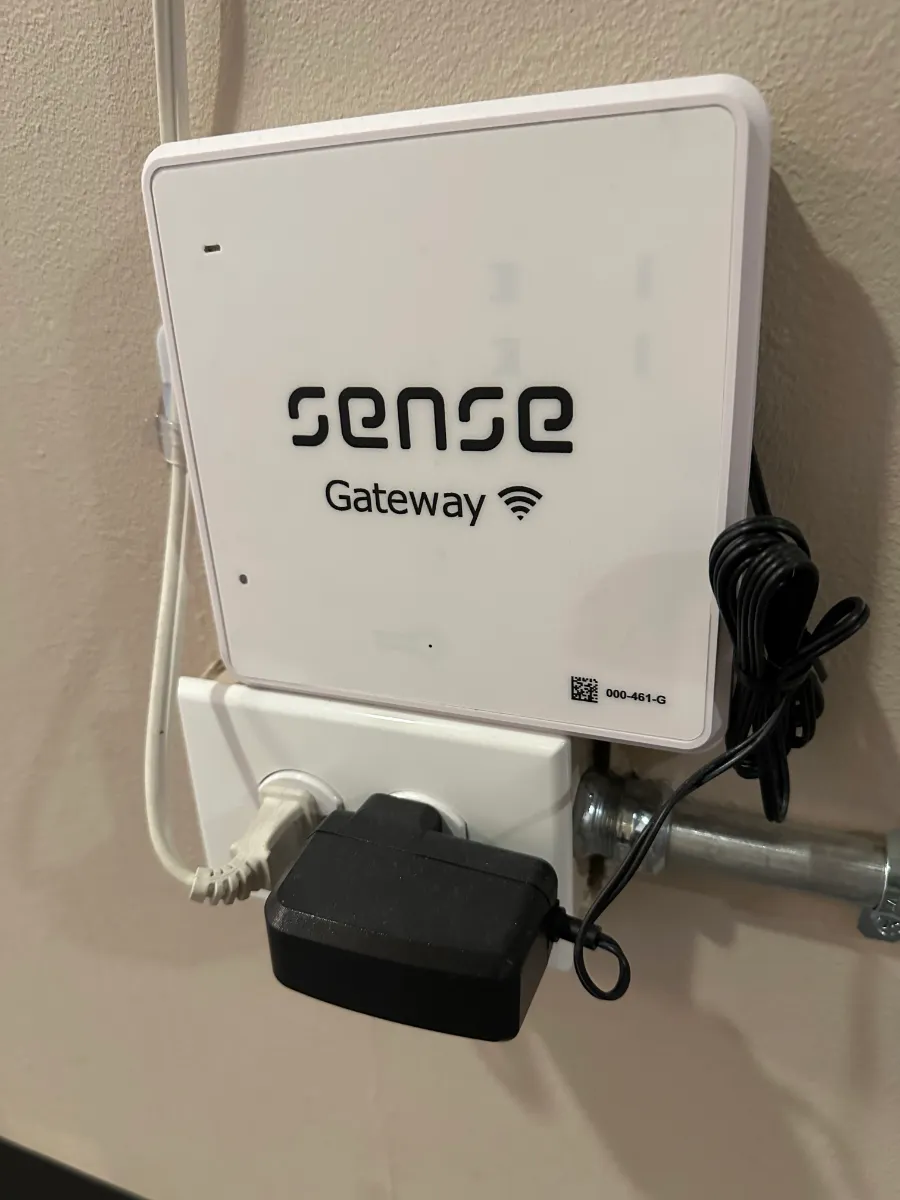
“Our own team put the gateways up ourselves, in an afternoon,” Yohe recalls. “It felt almost too easy for something this important.”
Sense Presence: every staff member on one live map
Sense Presence brings it together in one dashboard: a live indoor map of where every staff member is, how many people are in each building, and a dedicated lone worker view showing anyone currently checked in alone. If a check-in is missed, or an SOS event fires, the team managing the site is notified immediately, by email and in-app alert.
HR and safety in the app staff already use
HR and safety sit in the same app staff already use. The Sense Workplace mobile app gives staff one place for day-to-day HR tasks and safety check-ins, so lone worker monitoring is not a separate system to remember; it lives alongside the tools they already open.
“Taking on new technology is usually daunting for a non-profit, but our own team managed this rollout effortlessly,” Yohe says.
DFX were able to help staff faster and make rooms calmer with no IT burden
“We now use our time more efficiently. We no longer have to run between buildings to locate our occupational and speech therapists. Most importantly, our staff feel completely supported knowing we can respond instantly when they request assistance. It gives our entire team the peace of mind to focus entirely on the children,” says Yohe.
1. Fast installation with no IT friction
Because Sense Gateways use their own cellular connection (LTE-M) and stick to the wall with Velcro strips, DFX’s own site staff installed the whole system. There was no need to configure firewalls, upgrade Wi-Fi, or bring in electricians or contractors. When DFX needs to change a room’s purpose, staff simply unstick the gateway, move it, and update the location on the map.
2. Rapid staff adoption
Combining routine HR functions, such as booking time off, with personal safety (lone-worker check-ins and SOS) in a single app made adoption straightforward. And because location tracking relies on physical gateways on site, staff know their location stays private once they leave the building.
3. Quick location of staff
All staff can access Sense Presence on their phones to find the person they need, cutting the time lost wandering between buildings or ringing round to track someone down.
4. A live staff register
Sense Presence automatically registers who is on site, giving managers and fire marshals real-time visibility of who is in the building. In an emergency, that live list is used to quickly confirm how many staff need to be accounted for.
5. Discreet alerts keep the environment calm
The biggest benefit for DFX is handling emergencies invisibly. If a therapist faces a medical emergency, or an unauthorised visitor enters the lobby, a triple-click of the Sense Tag alerts management and peer devices directly. Help arrives at the right room, but because there are no sirens or announcements, children in neighbouring rooms are not disturbed.
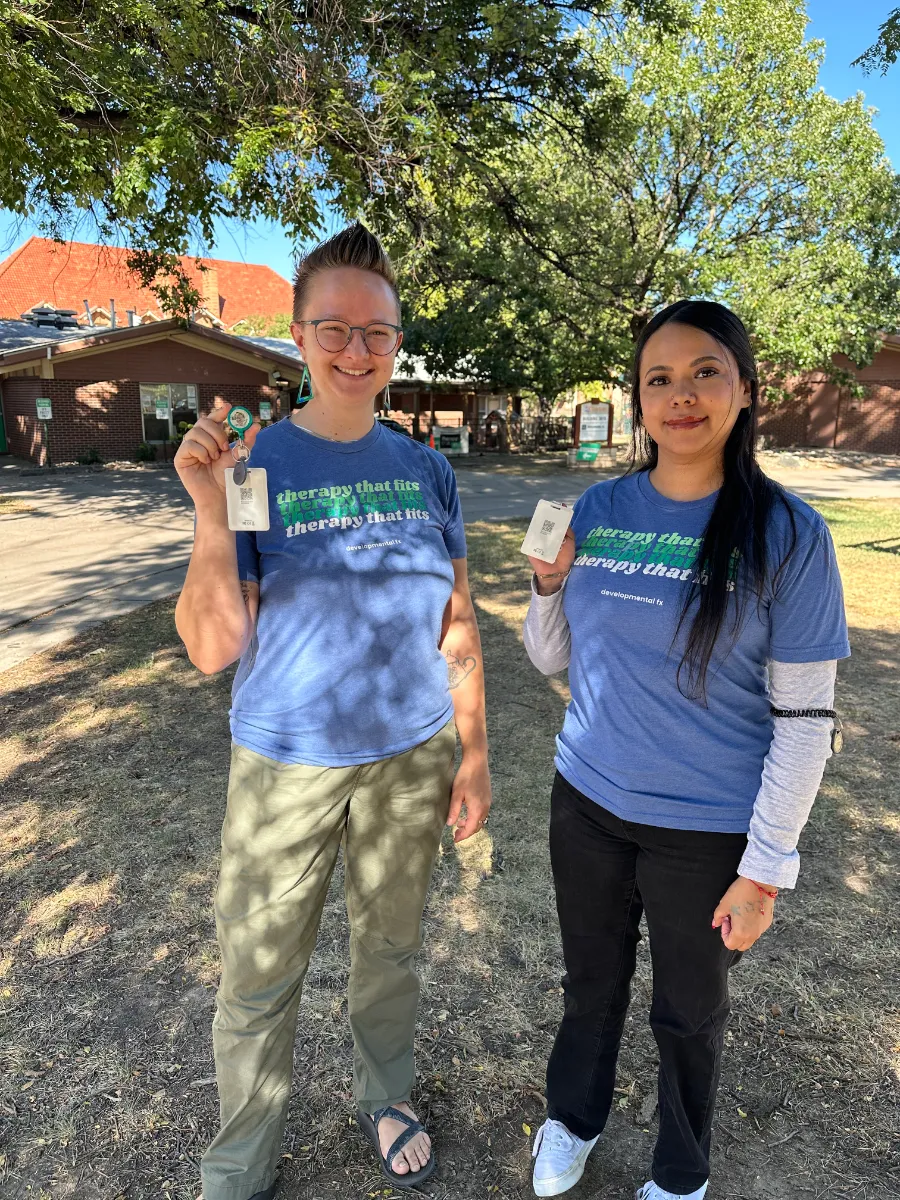
A calmer, safer environment for everyone
Beth Yohe sums up what the technology has meant for DFX’s staff and the children they care for:
“We needed a system that allowed our staff to quietly call for a helping hand, whether they need peer backup to support a child having a tough moment, are requesting personal assistance, or are flagging a potential issue on site. This technology has allowed us to create a genuinely safer environment for everyone in the building. It ensures our multidisciplinary team can respond to each other quickly, allowing our ‘Therapy that fits’ model to remain focused, calm and entirely centred on the child’s needs.”
What’s next for DFX?
With core safety and location infrastructure in place, DFX is well placed to add further Sense modules as it grows, including the Roll Call app for an automated digital register during evacuations, and Presence Reporting to analyse how spaces are used, valuable data for a non-profit looking to make the most of its space.