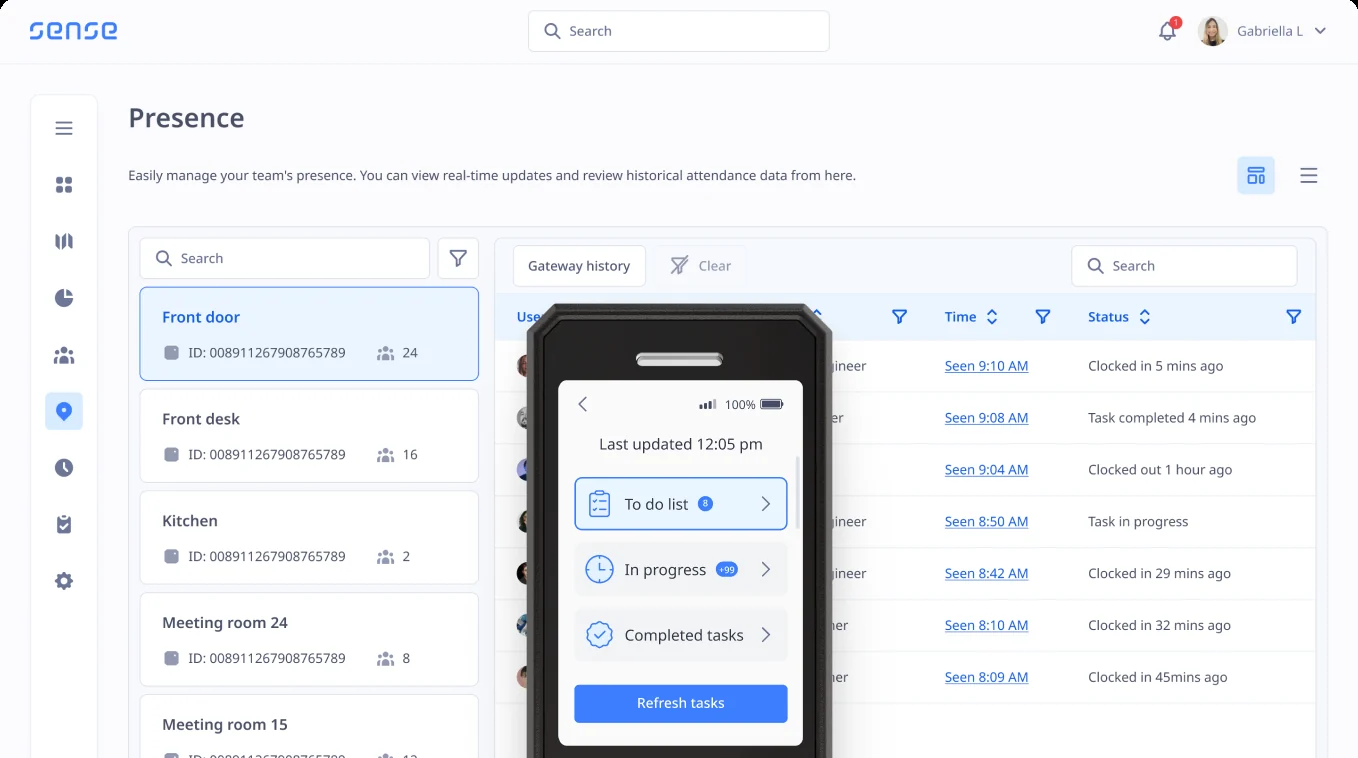
Agency costs out of control?
Gaps in the rota and inefficient shift planning lead to increased reliance on expensive agency carers.
Sense helps care providers prove the care they deliver, reduce reliance on agencies, decrease staffing costs, cut time theft, and protect lone workers in the community.
Gaps in the rota and inefficient shift planning lead to increased reliance on expensive agency carers.
Families want proof that their loved ones were visited, and how long each visit lasted.
Home carers and night staff often work alone, with nobody nearby to help if something goes wrong.
Carers who carry the Sense Badge or use the Sense app can prove their arrival and departure at each address, with an optional photo check on arrival.
Learn how to verify each hour worked



In care homes, the Sense Badge knows which room was visited, and for how long, to prove care got delivered and residents received appropriate attention.

Sense checks claimed hours against actual attendance, then applies your rules for lateness, overtime and breaks. Anomalies are flagged for review, and the payroll report is prepared for final approval.
See the full time and attendance cycle



Rounded-up timesheets, early finishes and "buddy punching" eat into your narrow profit margins. Sense checks every hour against verified arrival and departure times, so you only pay for time actually worked.

Sense shows how your spaces get used and the routes your carers take, to help you plan more efficient shifts. AI analysis spots patterns in your data to help you reduce reliance on agency workers.
Meet AMI and the AI agentsEvery person's contract, right to work check, training and documents sit in their central HR record. Sense reminds you before anything runs out.
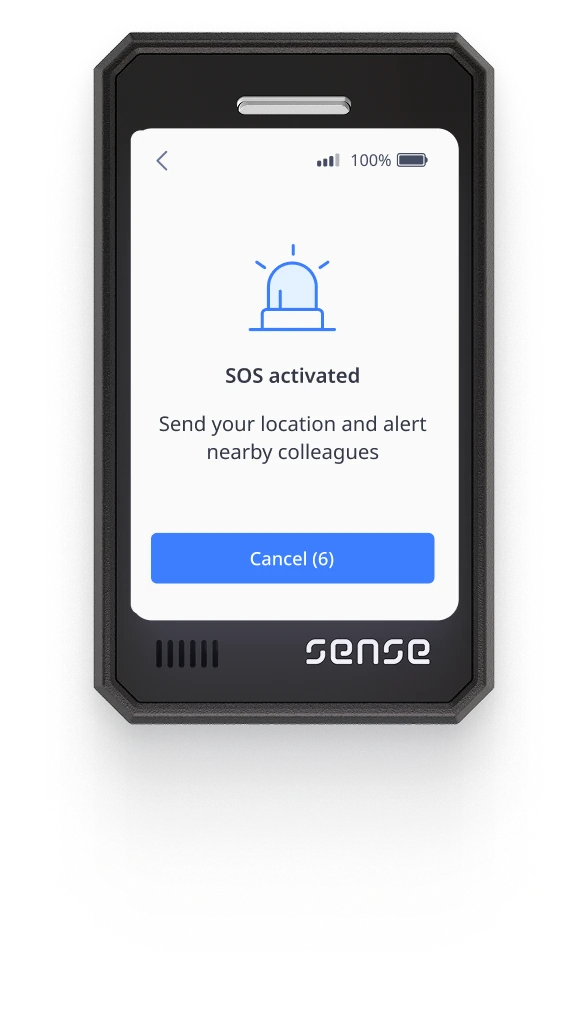
See HR complianceCarers can raise an SOS from the app or the Sense Badge, which also detects hard falls, and their location is shared with the nearest available colleague so help arrives fast.


Sense links to RotaCloud, Papershift and Chronicle, and can read planned shifts, verify timesheets, create payroll reports, and feed HR and location data back into your system.
Book an online demo with one of our UK-based experts, or request a visit to our head office, to see how Sense keeps carers safe and proves each visit happened.
Browse these frequently asked questions about Sense for care
Yes. Carers clock in at each client's home on the Sense app or the Sense Badge, and Sense verifies they are at the right address, with an optional photo check. Each visit is saved with its arrival and departure times, and how long it lasted.
Yes, in care homes. The Sense Badge records which room each carer is in and for how long, so you can show families how much time their relative has received, backed by real records.
No. Carers can wear the Sense Badge, which clocks them in, shows their tasks and has an SOS button, with no phone needed. Carers who prefer can use the free Sense HR app on their own phone.
Carers can raise an SOS from the app or the Sense Badge. The Badge also detects hard falls and lack of movement, and sends an alert automatically with the carer's location, to the nearest available colleague or your own team.
It's up to you. You can record just arrival and departure at each visit, or location across the working day, including travel between visits. Sense only tracks during working time, and carers are never tracked outside it.
Sense records how long visits and care tasks really take. You can ask AMI, our AI assistant, questions about that data, such as which visits regularly overrun or when you are short of staff, and use the answers to plan rotas that need fewer agency hours.
No. Keep it. Sense links to RotaCloud, Papershift and Chronicle, and to others through our connectors, so hours worked can be checked against the hours planned.
Yes. Each carer's HR record holds their training, certificates and right to work check, with reminders before anything expires.
Yes. Sense sends verified hours to Sage, Xero, BrightPay and PayCaptain, and to any other payroll by export, including outsourced payroll. Managers approve the hours first, so payroll only gets hours that have been checked.
Yes. The Employment Rights Act 2025 brings in new rules for zero hours and low hours workers, expected from 2027, including offers of guaranteed hours and notice of shifts. Read our guide to the zero hours changes.